Art Magazine
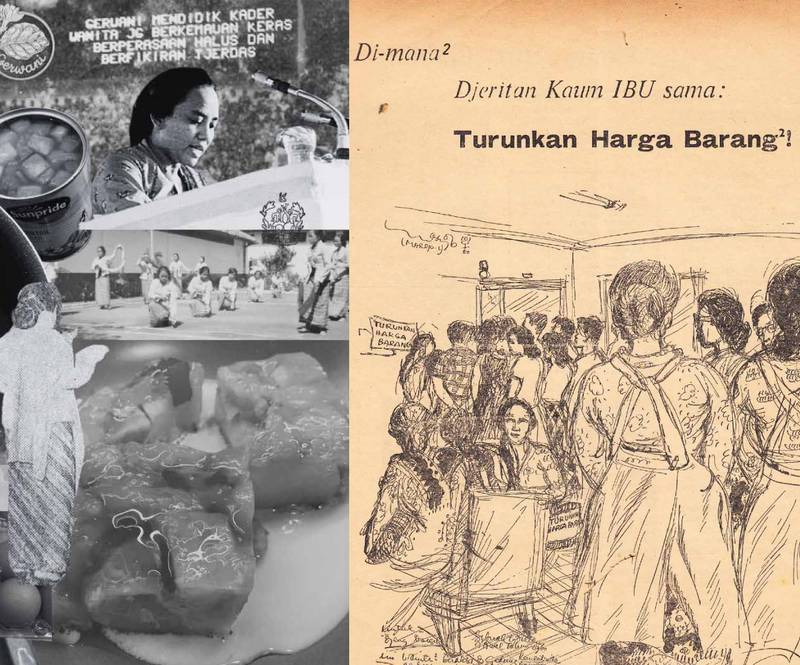
R to L: Collage from Rizqan Adhima’s essay in Memasak Harapan and illustration from Api Kartini issue from February 1960 – text in the image “Everywhere, You Hear The Same Roar From MOTHERS: “Lower The Price of Commodities!”
-
 READ
READReading my friends’ and co-authors’ essays, I realised that when we are confined by a time and space that limits our bodies and minds, knowledge needs to make sense for the past, present, and emerging – not a distant, unlikely future. Kitchen knowledge reminded us of this urgency. Knowledge must function like food: we gather it and use it, or save it for later, but it is perishable.
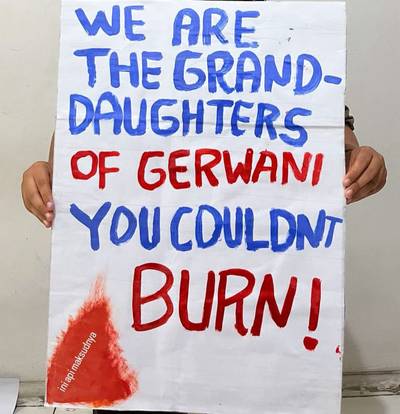
Summoning in the Kitchen: The ‘lintas-batas’ politics of Gerwani women
Drawing on prison memoirs, Api Kartini, and Memasak Harapan – a collective anthology co-created by the group of author-friends – the essay recovers Gerwani’s vision of the kitchen as political and boundary-crossing by linking its history to today’s state food interventions to call for reclaiming cooking and care as forms of resistance.
-
 READ
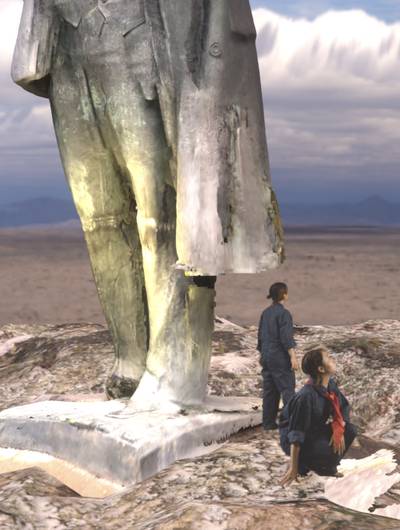
READIn the context of Vietnam, where ambiguity can act as a counteractive method to conceal intentions and suggest different perspectives on the same ideologies, beliefs, or traditions that we are brought up to follow, the medium of moving image becomes a vessel for artists who have to speak without vocalization, to convey through gestures, and to sing in metaphors. This ‘genre’ of ambiguity desists rigid interpretation that hinges entirely upon research practice.
Trespassing in Plain Sight: Ambiguity as a Generative Force
Through the practices of Hachul Le Do, Lêna Bùi, and Ngọc Nâu, the essay presents an insight into how contemporary artists in Vietnam have adapted moving images into a language that activates intentional ambiguity to subvert direct confrontation.
-
 READ
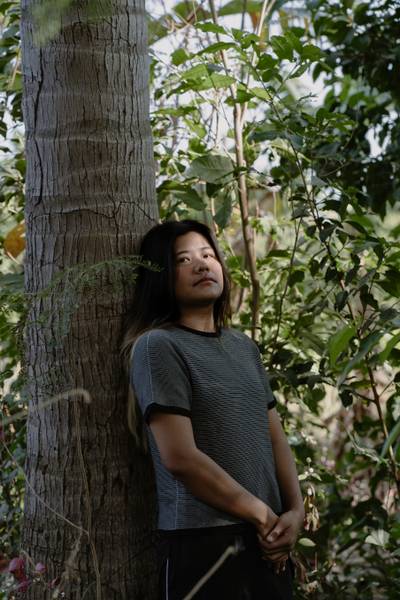
READWar always takes away people’s everyday lives. That loss remains. Over time, my work has become more focused on the experience of losing family members through war and remembering who they were through personal stories, loss, love, and my desire to comfort both those who are gone and those who are still here.
Present Through What Is No Longer There: An Interview with Marisa Srijunpleang
Thai-born multidisciplinary artist Marisa Srijunpleang talks to Fahmui Pimpakaporn Pornpeng about her practice, which explores family memories connected to the Cambodian genocide and eventually leads her to question her identity as a descendant who grew up with questions about borders and how they are drawn.
-
 READ
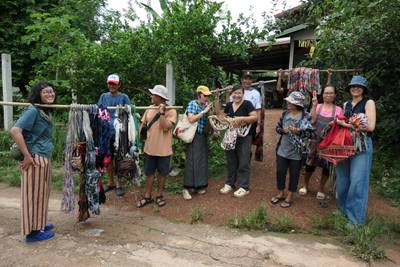
READWomanifesto gatherings and projects have always been inherently socially, politically, and culturally embedded, responding to events and changes without pigeonholing them. It is, in a way, a form of resistance: finding a way to keep gathering, creating, documenting, and putting work out there, even when external forces make it harder.
“There Is No One Way”: The Womanifesto Perspective
In this conversation, Womanifesto members recount the collective’s socially and politically embedded practices, discussing its philosophy and commitment to maintaining autonomy while focusing on friendship, care, and connection.
-
 READ
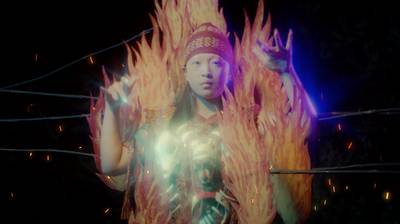
READTowards A Dissident Cosmopoetics: Through the Metabolic Worlds of Natasha Tontey
Moving beyond the search for a single universalism, this paper anchors its exploration of worldmaking within the kaleidoscopic imagination of Minahasan artist Natasha Tontey.
-
 READ
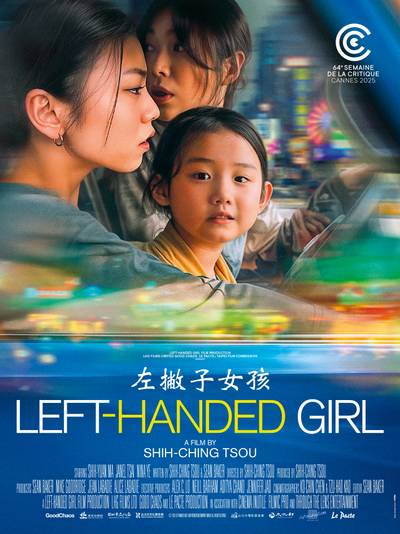
READIn Left-Handed Girl, every character is on an individual journey. The paths and decisions of the family of three barely overlap; each return comes with its own challenges. Beyond the logistics of finding an apartment, making it feel like a home, setting up shop, and creating a routine, there is the emotional journey.
Devil Hand, Dutiful Head: A Review of Tsou Shih-Ching’s ‘Left-Handed Girl’
The review unpacks and traces how cultural beliefs that may serve as charms to protect identities amid unpredictable change can inflict lasting wounds.
-
 READ
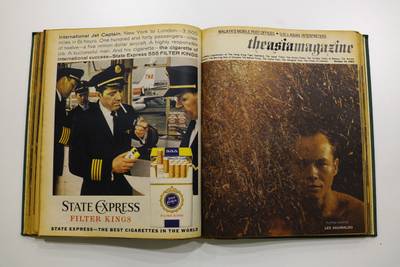
READBy positioning itself as belonging to the region, the pictorial periodical hoped to help its readers see and understand different aspects of Asia using photography, alongside text and illustrations.
Revisiting the First Decade of ‘Asia Magazine (1961-1998)’
This essay visits Asia Magazine, the Hong Kong-based pictorial weekly that sought to show Asia to Asians through photography, colour pages and free Sunday distribution across the region’s English newspapers – tracing its founding, Filipino photographic influence, and the visual culture it shaped.